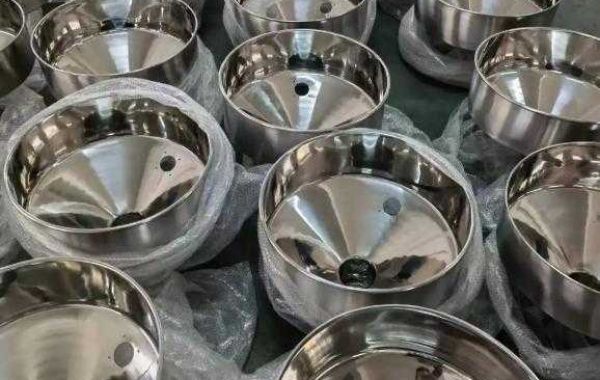

In the fast-paced world of automotive manufacturing, every component is chosen for its ability to balance performance, safety, and efficiency. Among these, aluminum circles—flat, circular sheets of aluminum—have emerged as an irreplaceable asset. From critical parts to design elements, their unique properties make them indispensable. Here’s why they’re a cornerstone of modern auto production.
1. Lightweight Strength: Boosting Fuel Efficiency
Weight reduction is a top priority for automakers, as it directly improves fuel efficiency and reduces emissions. Aluminum circles, made from high-grade aluminum alloys, offer an exceptional strength-to-weight ratio: they are 30% lighter than steel circles of the same size while maintaining comparable structural integrity.
This lightweight nature is crucial for components like wheel rims, fuel tank caps, and heat shields. By using aluminum circles, automakers cut overall vehicle weight, allowing engines to operate more efficiently—whether in traditional gas-powered cars or electric vehicles (where reduced weight extends battery range).
2. Superior Formability: Shaping Complex Parts
Automotive components often require intricate shapes, and aluminum circles excel in formability. Their malleability allows them to be stamped, deep-drawn, or spun into curved or 3D structures with precision—think of the smooth curves of wheel covers, the contours of brake discs, or the seamless edges of oil pans.
Unlike rigid materials like steel, which may crack under intense forming, aluminum circles retain their integrity even when shaped into complex designs. This flexibility enables manufacturers to create parts that fit tight tolerances, enhancing both functionality and safety.
3. Corrosion Resistance: Extending Part Lifespan
Vehicles face constant exposure to moisture, road salts, and chemicals—factors that quickly degrade less resistant materials. Aluminum circles, however, naturally form a protective oxide layer that shields against rust and corrosion.
This resistance is vital for undercarriage parts (e.g., fuel line covers) and exterior components (e.g., hubcaps), ensuring they withstand harsh weather and road conditions. By using aluminum circles, automakers reduce the need for frequent replacements, lowering maintenance costs for drivers.
4. Thermal Conductivity: Enhancing Heat Management
Engines and braking systems generate intense heat, requiring components that dissipate thermal energy efficiently. Aluminum circles have excellent thermal conductivity, making them ideal for parts like heat sinks, brake discs, and radiator caps.
By quickly transferring heat away from critical areas, these components prevent overheating, which can cause mechanical failures. In electric vehicles, where battery thermal management is critical, aluminum circles play a key role in maintaining safe operating temperatures.
5. Cost-Effectiveness: Balancing Performance and Budget
While aluminum is pricier than steel upfront, its long-term benefits make it cost-effective. Aluminum circles’ durability reduces replacement frequency, and their lightweight properties lower fuel consumption—saving money for both manufacturers and consumers.
Additionally, aluminum is 100% recyclable, and recycled aluminum retains its properties, cutting production costs and aligning with the auto industry’s push for sustainability. Many automakers now use recycled aluminum circles to reduce environmental impact and raw material expenses.
Final Verdict
Aluminum circles are irreplaceable in the auto industry due to their unique blend of lightweight strength, formability, corrosion resistance, thermal efficiency, and cost-effectiveness. As the industry shifts toward electric vehicles and stricter emissions standards, their role will only grow—proving that sometimes the simplest components (like a circular sheet of aluminum) are the most vital to innovation.