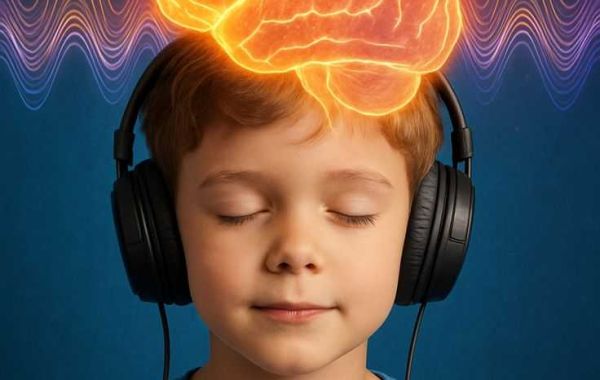

The System Crash: When a Simple Transition Becomes a Meltdown
Let's be honest. As parents, we deal with "system failures" all the time. One minute, your preschooler is happily stacking blocks; the next, you announce it's time to put on shoes, and BAM! Full-scale system crash, complete with wails and flung footwear.
We spend so much time thinking about things like a proper screentime limit or implementing parental controls for screen time to manage the input of their day, but we often forget about the output how they process change.
I've been there. After a full day of trying to keep my own little one below the desired screen time limit, the final battle wasn’t over the tablet, but over getting into the bath. That's when I realized the power of music for preschoolers isn’t just for fun; it’s a powerful, non-verbal system management tool. It’s the background process that keeps the whole operation running smoothly.
Debugging the Day: Music as a Non-Verbal Cue
Why does a simple song work when logic, threats, or pleading fail? Because transitions (leaving the park, cleaning up, getting dressed) are fundamentally about control and predictability. When a routine is broken, a preschooler feels a loss of both.
Music acts as a universally accepted, friendly warning system. It's the equivalent of a 5-minute countdown timer, but way less irritating.
- The Clean-Up Code: Instead of saying, "Stop playing and clean up," try putting on a specific, upbeat "Clean Up Song." This links the sound directly to the action. It turns a chore into a fun, preschool activity.
- The Departure Melody: Need to leave the house? Start a special "See You Later" song 5 minutes before departure. The song is the boundary; once it finishes, the transition begins. This is a subtle yet effective method of teaching social skills for kindergarteners understanding boundaries and cooperating.
The Playlist Protocol: Tailoring Music to the Task
Just like you wouldn't use the same software to code and to mozart effect manage inventory, you shouldn't use the same music for every mood.
1. The Low-Fi Calm-Down Loop
When a tantrum is already in progress, the goal is to downshift the nervous system. Avoid high-energy pop music. Think about gentle classical music or quiet acoustic tracks.
Pro-Tip: Sometimes, the best calming tool is a familiar picture story or a short reading of their favorite books for kids immediately followed by a quiet lullaby. This uses two powerful regulatory tools story and sound to re-engage their attention and lower the heart rate.
2. The Upbeat Prep Track
For tasks that require energy and focus (like getting dressed or brushing teeth), use fast-paced, rhythmic music. The beat acts like a metronome for their movements, making the task feel lighter and less daunting. This is essential preschool learning in action! They're not just listening; they're associating rhythm with executive function.
A Note on Screen Time: The Power of Auditory Focus
We hear a lot about the risks of screen addiction and the importance of how to reduce screen time. And while limiting that visual, overstimulating input is crucial, remember that music is an auditory-focused activity.
Swapping 15 minutes of an animated show for 15 minutes of an engaging, high-quality audio story time or a structured singing session trains a different kind of focus one that relies on imagination, listening, and internal visualization, all vital skills for development. By prioritizing this type of auditory input, we are strategically reducing reliance on the visual-motor loop that drives much of the digital dependency.
Final Thoughts: You’re the Conductor
Implementing music for preschoolers as a tantrum and transition tool isn't about being a professional musician. It's about being an observant parent who understands how to manage the "operating environment" of a young child's brain.
Start small. Pick one song for one transition (like bedtime). Use it consistently for a week. You'll be amazed at how quickly your little one picks up the cue.
You’re not just avoiding a meltdown; you’re teaching them essential self-regulation skills they’ll carry into kindergarten and beyond. Now, go turn up the music!