
Restorative Practices have become a transformative approach for schools, workplaces, and community systems seeking healthier ways to build trust, resolve conflict, and strengthen relationships. At their core, Restorative Practices are built on a simple truth: people grow, communicate, and thrive when those in positions of leadership work with them instead of doing things to them or for them. This shift in mindset is subtle, but the results are powerful.
Across the country, organizations are turning to Restorative Practices not as a quick fix, but as a cultural framework. It invites individuals to take accountability, encourages open communication, and builds an environment where people feel seen and valued. These practices help repair harm, rebuild relationships, and support long-term healing.
Why Restorative Practices Matter Today
Every community and institution faces challenges, whether rooted in conflict, disconnection, or stress. Traditional systems tend to focus on punishment or top-down solutions, which often create fear rather than growth. Restorative Practices offer a different path.
They center conversations around what happened, how people were affected, and what needs to be done to make things right. This approach strengthens emotional intelligence and promotes healthier interactions across all layers of an organization.
Today’s schools and workplaces are increasingly embracing Restorative Practices to create safer spaces for communication. With rising pressures, trauma, and cultural division, the demand for approaches grounded in empathy and understanding has never been greater.
Leadership and Restorative Culture
Leaders play a crucial role in shaping the environment around them. When leaders model collaboration, accountability, and authentic communication, it sets the tone for the entire team. Many organizations seek guidance from established professionals, attending events led by a keynote speaker skilled in restorative frameworks, or joining a coaches training institute to cultivate internal champions who can guide staff forward.
These investments equip leaders to practice the “with” approach instead of the “to” or “for” approach. Leaders trained in Restorative Practices poster cultures where people feel safe enough to contribute ideas, admit mistakes, and learn from one another.
Integrating Trauma-Informed Principles
Restorative Practices go hand in hand with trauma-informed care. Trauma impacts how people learn, communicate, and respond to conflict. When practitioners understand these patterns, they can design conversations and interventions that honor emotional safety.
Akoben LLC Organizations pursuing trauma informed care certification often integrate Restorative Practices to ensure their environments support healing. This combination builds stronger, more compassionate spaces where individuals can rebuild trust and connection.
Restorative Tools That Support Transformation
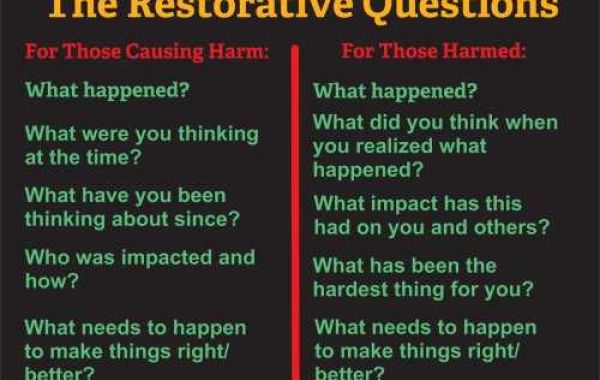
Communities benefit from clear, accessible tools that reinforce these values. A Restorative Practices Poster placed in classrooms, meeting rooms, or office hallways serves as a constant reminder of shared expectations. Posters can highlight prompts like:
What happened?
Who was affected?
What needs to be done to repair harm?
How do we move forward together?
These visual cues help normalize restorative language and empower individuals to use it even during difficult conversations.
The Role of Akoben in Restorative Work
Organizations seeking deeper transformation often turn to the AkobenLLC Institute for restorative coaching, training, and strategic implementation. Akoben’s programs emphasize community, accountability, and human-centered leadership. Their training equips participants with the skills needed to facilitate circles, lead teams, and guide meaningful culture change.
Through workshops, coaching cohorts, and organizational partnerships, Akoben continues to be a national leader in helping communities adopt Restorative Practices in authentic and sustainable ways.
Restorative Practices Create Long-Term Change
The greatest strength of Restorative Practices is sustainability. Rather than treating surface-level symptoms, they address the human elements beneath conflict and disengagement. When people feel respected and included, they show up differently. They communicate differently. They collaborate more effectively.
This ripple effect strengthens entire systems. Schools become safer and more equitable. Workplaces become more productive and supportive. Communities become more connected.
Restorative Practices are not a program to check off a list. They are a philosophy of how people treat each other. They provide a roadmap for healing broken relationships and rebuilding trust through dialogue, accountability, and shared humanity.
Conclusion
Restorative Practices offer a pathway to healing that moves beyond punishment and division. They help people repair harm, rebuild relationships, and contribute to a culture where everyone feels valued.
As more communities embrace this work, they set the stage for environments rooted in empathy, responsibility, and meaningful human connection. Whether through leadership development, coaching, or trauma-informed pathways, Restorative Practices remain one of the most powerful tools for long-term transformation.